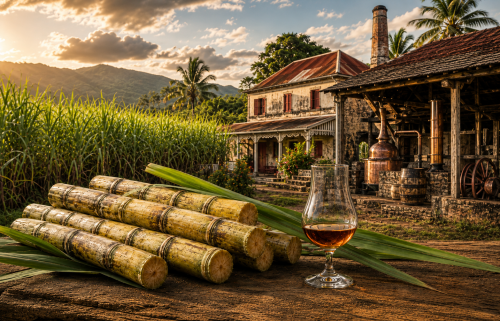
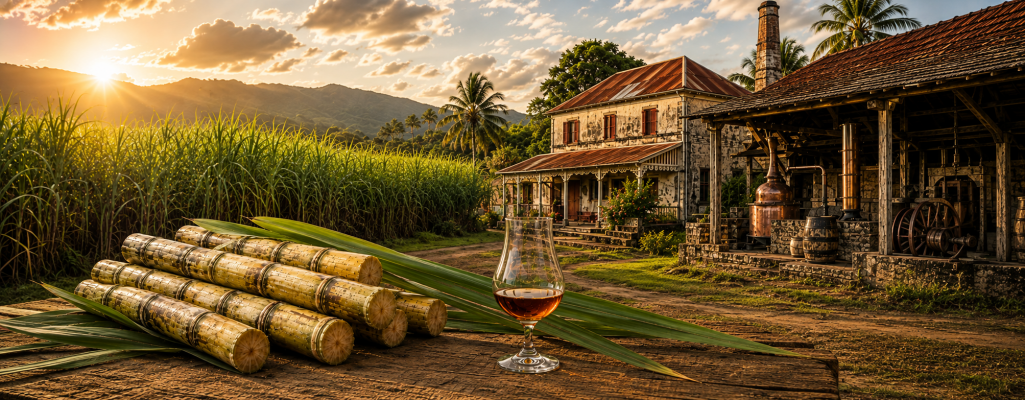
An accessible FAQ covering the basics of rum: production, raw materials, producing regions, styles, ageing, added...

Blog navigation
Blog categories
Latest posts
Armagnac: Answers to the 10 Most Frequently Asked Questions
2026-07-29
Read more
Posted in:
Behind the Label
240
views
What is Armagnac? How does it differ from Cognac? What do VS, VSOP and XO mean? How should you choose, taste and...

L’embouteillage indépendant : dernier rempart contre l’industrialisation des spiritueux (troisième partie)
2025-12-30
Read more
Posted in:
The Independent Bottlers
716
views
Entretien exclusif avec Alexandre Vingtier. Il fait partie de ces esprits rares capables de penser le spiritueux à...

L’embouteillage indépendant : dernier rempart contre l’industrialisation des spiritueux (deuxième partie)
2025-12-29
Read more
Posted in:
The Independent Bottlers
706
views
Entretien exclusif avec Alexandre Vingtier. Il fait partie de ces esprits rares capables de penser le spiritueux à...

Penser, goûter, transmettre : la vision d’Alexandre Vingtier sur l’avenir des spiritueux
2025-10-12
Read more
Posted in:
The Independent Bottlers
767
views
Introduction Auteur, critique, consultant et enseignant, Alexandre Vingtier est une figure incontournable du monde...
Photo gallery
No featured images
Rum: Answers to the 10 Most Frequently Asked Questions
All rums have one thing in common: sugar cane. Beyond that, production methods, practices, and regulations can vary considerably from one region to another.
Fresh sugar cane juice or molasses, white or aged rum, tropical or continental ageing, the Solera system, added sugar: these terms often appear on bottles, but they are not always easy to understand when you are first discovering rum.
This FAQ answers the ten most frequently asked questions, explaining in simple terms how rum is made, where it is produced, what distinguishes its main styles, and how to taste and store it under the right conditions.
Reading time: approximately 25 minutes
1. What is rum?
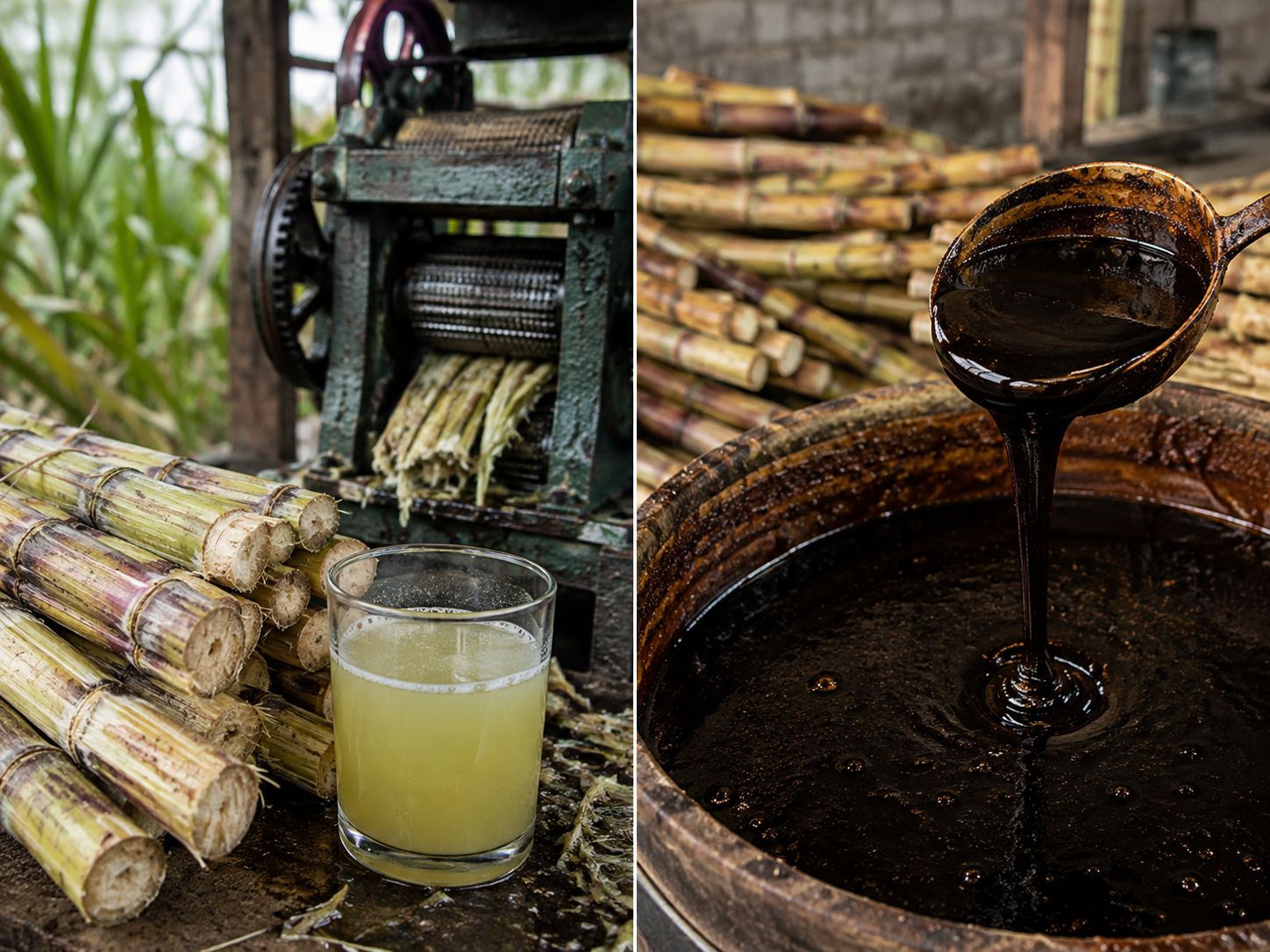
Rum is a spirit made exclusively from sugar cane. Depending on production traditions, it is made from freshly pressed sugar cane juice or molasses, a syrup produced during the sugar-making process. These two raw materials form the basis of the main families of rum, which we will explore later in this guide.
Although the Caribbean is considered the historical birthplace of rum, it is now produced throughout most tropical regions of the world. Rum can be found in the Caribbean, Central and South America, the Indian Ocean, Asia, and the Pacific. Each country has developed its own traditions, shaped by its history, climate, and expertise.
You will also come across three different terms depending on the region: rhum, rum, and ron. They all refer to the same spirit. The term rhum is used in French-speaking countries, rum in English-speaking countries, and ron in Spanish-speaking countries. Over time, each tradition has developed its own distinctive style, which partly explains the remarkable diversity of rum available today.
Finally, it is worth knowing that not every product made with rum can be marketed simply as “rum”. When a spirit is flavoured with spices, fruit, or other ingredients, it often falls into the category of rum-based spirit drinks. This distinction, defined by regulations, helps consumers better understand what they are buying.
2. How is rum made?
Rum production involves several essential stages, from harvesting the sugar cane to bottling. Although the basic process is relatively straightforward, each distillery has its own expertise and methods. The choices made at every stage directly influence the style and aromas of the final rum.
Harvesting the sugar cane
Everything begins with sugar cane, a plant grown in tropical regions. Once mature, it is harvested and quickly transported to the distillery to preserve its freshness and quality.
Depending on the production method, rum is made either from juice extracted from freshly harvested sugar cane or from molasses. This distinction plays an essential role in defining the style of the rum and will be explored in more detail in the next question.
Fermentation
The raw material is then fermented. Yeasts naturally convert the sugars into alcohol while producing many of the aromatic compounds that will ultimately shape the character of the rum.
The duration of fermentation varies depending on the distillery and the desired result. Some fermentations last less than two days, while others continue for several days to develop greater aromatic complexity. The choice of yeast and fermentation conditions also contribute to the personality of the final spirit.
Distillation
The fermented liquid is then distilled to concentrate the alcohol and aromas.
Two main types of still are commonly used:
- The pot still operates in batches and is often associated with rich, full-bodied, and particularly expressive rums.
-The column still operates continuously. Contrary to a common misconception, it does not produce only light rums. Depending on its design and the distiller's choices, it can create anything from delicate, refined spirits to intensely aromatic rums.
Neither method is inherently superior to the other. They simply reflect different approaches to production and contribute to the remarkable diversity of rum styles.
Ageing
After distillation, some rums are bottled relatively quickly, while others are aged for several years in casks, most commonly made of oak.
Through contact with the wood, the rum gradually evolves. It develops colour and new aromas, which may include vanilla, spices, dried fruit, cocoa, and various woody notes.
However, not all white rums are completely unaged. Some spend several months in casks before being filtered to restore their crystal-clear appearance. This process can add greater roundness and complexity while maintaining the rum's transparent colour.
Climate also plays an important role in maturation. In tropical regions, where temperatures are higher, interaction between the wood and the spirit occurs more rapidly than in temperate climates. Two rums of the same age can therefore display very different profiles depending on where they were matured.
Blending and bottling
Before bottling, several casks may be blended together to achieve the desired profile. Some rums are also released as Single Cask or Cask Strength, two terms we will explain later in this guide.
The rum may then be diluted with water to reach the desired alcohol strength, before being filtered or bottled with minimal intervention, depending on the producer's approach.
The main stages of rum production
|
Stage
|
Purpose
|
|
Harvesting |
Harvest the sugar cane at maturity and prepare the raw materia |
|
Distillation |
Convert sugars into alcohol and develop the first aromas |
|
Distillation |
Concentrate the alcohol and reveal the character of the rum |
|
Ageing (optional) |
Develop colour and enrich the aromatic profile |
|
Blending and bottling |
Define the final style of the rum before it is released |
3. What is the difference between agricole rum and molasses rum?
When discovering rum, this is often the first distinction you come across. Yet it is also one of the most misunderstood. The difference between agricole rum and molasses rum has nothing to do with quality or age, but with the raw material used to produce them.
Agricole rum
Agricole rum is made directly from fresh sugar cane juice, sometimes referred to as vesou. This method requires the cane to be pressed and fermented soon after harvesting in order to preserve its freshness.
It is mainly produced in Martinique, Guadeloupe, and French Guiana. Martinique has the only AOC dedicated to rum. This production method is also found in other regions, including Madeira and Cape Verde.
Agricole rums are often associated with notes of fresh sugar cane, citrus, and flowers. With time in the cask, they become rounder and develop more spicy, woody, or fruity aromas.
Molasses rum
Molasses rum is made from molasses, a by-product of sugar production. It is currently the most widespread method of rum production in the world.
It is commonly found in Jamaica, Barbados, Trinidad, Guyana, Belize, Guatemala, Venezuela, Brazil, and Fiji, among other countries.
Contrary to what one might assume, molasses rum does not have a single style. It can be light and delicate, rich and generous, or particularly powerful, depending on the production methods chosen by the distillery.

Is agricole rum better?
There is no hierarchy between these two major families of rum. The raw material influences the style of the rum, but it does not determine its quality. A rum's character also depends on many other factors: the sugar cane variety, fermentation, type of still, climate, ageing and, above all, the producer's choices. This is why you can find outstanding examples of both agricole and molasses rum.
The main differences
|
Agricole rum
|
Molasses rum
|
||
|
Made from fresh sugar cane juice |
Made from molasses |
||
|
Produced mainly in the French Caribbean territories |
The most widely produced type of rum worldwide | ||
|
Fermentation of fresh sugar cane juice |
Fermentation of molasses |
||
|
Often fresh, vegetal, and floral profiles* |
|
*These are general tendencies. Fermentation, distillation, ageing, and the producer's expertise have just as much influence on the aromatic profile.
4. In which regions is rum produced?
Rum is produced throughout most tropical regions of the world, wherever sugar cane can be grown. Originally from Southeast Asia, sugar cane gradually spread to the Americas, the Indian Ocean, and the Pacific over the centuries. Today, each rum-producing region has its own history, traditions, and expertise.
Although the Caribbean remains closely associated with rum, it is far from the only region where it is produced. High-quality rums are also made in Central America, South America, the Indian Ocean, Asia, and the Pacific.
The Caribbean
The Caribbean is home to some of the world's most renowned rum-producing regions, including Martinique, Guadeloupe, Jamaica, Barbados, Trinidad and Tobago, Cuba, and the Dominican Republic. Each island has developed its own identity. Some are known for agricole rum, while others are associated with molasses-based rum. This diversity makes the Caribbean an essential region for rum enthusiasts.
Central and South America
Rum also plays an important role in Central and South America. Guatemala, Belize, Panama, Nicaragua, Venezuela, Guyana, and Brazil are among the best-known producing countries. Here again, there is no single style. Each country, and sometimes each distillery, has its own approach to fermentation, distillation, and ageing.
Africa
Sugar cane is also grown in several parts of Africa. Cape Verde has a long tradition of producing spirits from fresh sugar cane juice, while other producers can be found in Southern Africa and on some of the continent's islands. These spirits remain less visible in Europe but form part of the wider geography of the rum world.
The Indian Ocean
The Indian Ocean is home to several recognised rum-producing regions, including Réunion, Mauritius, and Madagascar. These territories benefit from climatic conditions particularly well suited to growing sugar cane and produce both agricole and molasses-based rums, depending on local traditions.
Asia and the Pacific
Rum production is also well established in Asia and the Pacific. The Philippines, Thailand, Vietnam, and Fiji produce rums that are gaining increasing recognition among enthusiasts. Although these origins are sometimes less familiar to European consumers, they contribute fully to the diversity of the rum world.
Origin doesn't tell the whole story
Geographical origin is an excellent starting point for exploring rum, but it is not enough to define its style. Two rums produced in the same country can have very different profiles. Sugar cane varieties, fermentation, the type of still, ageing, and the producer's choices all have a major influence on the final result. It is therefore better to consider origin as a useful reference point rather than a guarantee of a particular style.
The main rum-producing regions
|
Region
|
Some iconic origins
|
|
Caribbean |
Martinique, Guadeloupe, Jamaica, Barbados, Trinidad and Tobago, Cuba, Dominican Republic |
|
Central America |
Guatemala, Belize, Panama, Nicaragua |
|
South America |
Guyana, Venezuela, Brazil |
|
Africa |
Cape Verde, South Africa, Mozambique |
|
Indian Ocean |
Réunion, Mauritius, Madagascar |
|
Asia and the Pacific |
Philippines, Thailand, Vietnam, Fiji |
5. What are the main types and styles of rum?
When discovering rum, the terms found on bottle labels can easily be confusing. White rum, aged rum, vintage rum, Single Cask, Cask Strength, or infused rum: these terms do not all describe the same thing. Some refer to ageing, others to the way the rum is bottled, while others describe preparations made with rum. Understanding these distinctions makes it easier to know what is actually in the bottle and avoid oversimplifications.
White rums
White rums are generally bottled shortly after distillation. They often highlight the raw material, fermentation, and character of the distillate. Some, however, spend a short period in casks before being filtered to restore their clear appearance. They are therefore not always completely unaged. Widely used in cocktails, the most expressive white rums can also be enjoyed neat.
Amber or lightly aged rums
Amber rums spend some time in casks before bottling. Contact with the wood gives them a light colour as well as notes of vanilla, spices, or oak. The term élevé sous bois is used in certain French regulations to describe this type of maturation. Minimum ageing periods and terminology may vary depending on the country and appellation.
Aged rums
Aged rums spend a longer period maturing in casks. Over time, they may develop aromas of dried fruit, cocoa, coffee, spices, or toasted oak. The term “aged” does not follow the same rules everywhere. The minimum required ageing period depends on the regulations of the country or geographical indication concerned.
Vintage rums
A vintage rum comes from a single year of production, usually stated on the label. Depending on the producer's practices, the year may refer to the harvest or the distillation. A vintage is not in itself a guarantee of quality. Its main purpose is to identify a particular production year and distinguish the release from a blend combining several years.
Single Cask and Cask Strength rums
These terms describe the way a rum is bottled rather than a specific type of rum. A Single Cask rum comes from one individual cask, without being blended with others.
A Cask Strength rum is bottled without dilution, or presented as being very close to the strength at which it left the cask, depending on the producer's practices.
A Single Cask rum is not necessarily Cask Strength, and a Cask Strength rum may come from a blend of several casks.
Infused rums (rhums arrangés)
Rhum arrangé is a preparation made by macerating fruit, spices, plants, or other ingredients in rum. This tradition is particularly associated with Réunion, although it is now found in many regions. Vanilla, pineapple, ginger, citrus fruit, or chilli may be used. Depending on the recipe and applicable regulations, the finished product cannot always be marketed simply as “rum”.
Rum-based spirit drinks
Not every product made from rum meets the regulatory definition of rum. When products are flavoured, sweetened beyond permitted limits, or combined with other ingredients, they may fall under another designation, such as a rum-based spirit drink. This includes many spiced spirits, often marketed using the English term spiced.
Not to be confused
A rhum arrangé refers to a specific preparation made by maceration. A rum-based spirit drink is a broader category that can include various products that no longer meet the regulatory definition of rum. The two concepts are therefore related, but they are not synonymous.
The main types and styles of rum
|
Category |
What it indicates |
|
White rum |
Rum that is generally unaged or only briefly aged |
|
Amber or lightly aged rum |
Rum that has spent a short period ageing in casks |
|
Aged rum |
Rum that has undergone extended ageing |
|
Vintage rum |
Rum from a single year of production |
|
Single Cask |
A bottling from a single cask |
|
Brut de fût / Cask Strength |
Bottled at its natural cask strength or with very little dilution |
|
Rhum arrangé / Infused rum |
A preparation made by macerating ingredients in rum |
|
Rum-based spirit drink |
A product made from rum but falling under a different regulatory category |
6. What is the Solera system?
When exploring the world of rum, one term often appears on certain bottles: Solera. Many consumers assume that it refers to an age. In reality, this is not the case. The Solera system is a method of ageing and blending that gradually combines rums of different ages to maintain a consistent style over the years.
A method inherited from the world of wine
The Solera system originated in Spain, where it has long been used to age certain wines, particularly Sherry. The method was later adopted by several rum producers, mainly in Central America and some South American countries. Today, it can be found in countries such as Guatemala, Venezuela, Panama, and the Dominican Republic.
How does the Solera system work?
Instead of ageing each cask separately until bottling, the Solera system uses several rows or levels of casks containing rums of different ages. In its traditional form, the system is based on multiple tiers of casks. In the rum world, some producers use adapted versions of this method.
When it is time to bottle, only a portion of the rum is drawn from the oldest casks. These are then replenished with rum from the tier immediately above, which in turn is topped up with younger rum, and so on until the youngest casks are reached. Over time, each bottle therefore contains a blend of rums of different ages.
A number is not necessarily an age
This is probably the most important point to remember. When a bottle displays a number such as 23, it does not necessarily mean that the rum has been aged for 23 years. Depending on the producer, the number may refer to the oldest rum used in the blend, a historical reference, or simply a marketing choice. It should therefore not automatically be interpreted as an age statement.
Is the Solera system better?
Not necessarily.
The main purpose of the Solera system is to allow producers to maintain a consistent style from one year to the next. It can produce very well-balanced and approachable rums. Other producers prefer vintage or single-cask releases in order to express more clearly the character of a particular production year or maturation.
It is therefore not a question of quality, but rather a different production philosophy.
.png)
7. What is the difference between tropical and continental ageing?
Where a cask is stored has a direct influence on how the rum evolves. Ageing in the warm climate of the Caribbean does not have the same effect as maturation in a cooler, more temperate climate.
Tropical ageing
In tropical climates, higher temperatures encourage more intense interaction between the rum and the wood. As a result, the spirit develops colour, structure, and aromatic intensity more quickly. This more active maturation also comes with significant evaporation. Some of the rum naturally escapes through the wood, a phenomenon known as the angel’s share. After several years, these losses can become considerable. This is one reason why very old rums aged entirely in tropical conditions are relatively rare.
Continental ageing
In temperate climates, temperatures are generally lower and seasonal variations more pronounced. Interaction with the wood continues, but at a more gradual pace. Some rum also evaporates during maturation, meaning that the angel’s share occurs in all climates. However, it is generally more moderate in European warehouses than in tropical conditions, allowing maturation to continue for longer while retaining more liquid in the cask.
The result also depends on the conditions of the warehouse and the type of cask used. A rum transferred to Europe may continue ageing in its original cask or be placed in a former Cognac, wine, Sherry, or whisky cask. The climate and the history of the cask then work together to shape the final profile.
Can a rum undergo both types of ageing?
Yes. This is known as double ageing.
The rum begins its maturation in the tropics and then continues ageing in a temperate climate. It may remain in the same cask or undergo a second maturation in a different one.
Can age be used to compare two rums?
Not always.
A ten-year-old rum aged entirely in Jamaica has not experienced the same conditions as a rum of the same age that spent part of its maturation in Europe. The age stated on the label is therefore useful, but it does not tell the whole story of how the rum was aged.
Tropical vs continental ageing
|
Tropical ageing
|
Continental ageing
|
|
Warm, often humid climate |
Temperate climate, often in Europe |
|
Angel’s share often significant |
Angel’s share generally more moderate |
|
Generally more active maturation |
Generally slower maturation |
|
Profile can develop intensity more quickly |
Ageing can continue more gradually over a longer period |
These are general differences. The type and size of the cask, warehouse humidity, and storage conditions also influence how the rum develops over time.
8. Why are some rums sweeter than others?
Not all rums give the same impression of sweetness. Some taste dry and vibrant, while others immediately evoke caramel, vanilla, or syrup. This difference may come from the rum’s natural style, its ageing, or the possible addition of sweetening products before bottling. It is therefore important to distinguish perceived sweetness when tasting from the actual presence of added sugar.
Does rum naturally contain sugar?
Sugar cane and molasses are rich in sugars, but these are converted into alcohol during fermentation. During distillation, residual sugars, which are non-volatile, do not pass into the distillate. Any sweetness perceived in a rum straight from the still therefore does not come from the sugar in the original raw material.
However, a rum can taste sweet without having been sweetened. Aromas of vanilla, ripe fruit, caramel, or pastry can create an impression of sweetness even when the spirit contains little or no added sugar. Alcohol, texture, and cask ageing also influence this perception.
Why is sugar sometimes added to rum?
Some producers add a small amount of sweetening products before bottling to round out the flavour, soften the perception of alcohol, or give the rum a smoother and more approachable profile.
In the European Union, rum may be sweetened to round off its final taste, but a product marketed as rum may not contain more than 20 grams of sweetening products per litre, expressed as invert sugar. Rum may not be flavoured; only caramel used to adjust the colour is permitted.
This European limit does not mean that all rums contain added sugar. Many producers choose not to add any, while certain geographical indications impose stricter rules. Under European regulations, rum bearing the regulated term “traditional” or “agricultural” may not be sweetened.
Is a sweet-tasting rum necessarily sweetened?
No. Tasting alone does not always make it possible to determine with certainty whether sugar has been added. A rum aged in an ex-bourbon cask can develop notes of vanilla and caramel. A distillate rich in ripe fruit aromas may also taste indulgent without any sweetening at all.
Conversely, a small amount of sugar can alter the texture and soften the perception of alcohol without making the rum taste obviously sweet. It is therefore better to speak of perceived sweetness rather than draw conclusions based on taste alone.
Sugar, caramel, and flavourings: what is the difference?
These three concepts are often confused. Sugar is used to round out the flavour. Caramel colouring may be used solely to adjust the colour of the rum and should not be confused with the sweet caramel used in cooking.
Added flavourings, meanwhile, are not permitted in a product sold simply as “rum” in the European Union. When a product is flavoured with vanilla, spices, fruit, or other ingredients, it falls into another category, such as a rum-based spirit drink. Under EU regulations, it is therefore no longer considered rum in the strict sense.
Is added sugar a sign of poor quality?
Not necessarily, but it does alter the rum’s profile. Sweetening changes the texture and the perception of alcohol. Depending on the amount used, it can soften some of the character of the distillate.
The main issue is transparency. Enthusiasts looking for the most direct expression of the distillate and its ageing will generally prefer rum with no added sugar. Others may prefer a softer style. These are simply different approaches to tasting.
9. How should rum be tasted and stored?
Tasting rum does not require a complicated ritual. A few good habits, however, can help you better appreciate its aromas, texture, and balance. The choice of glass, serving temperature, and the time you allow the rum to open up can make a real difference.
Storage is just as simple: a tightly sealed bottle, kept upright and protected from light, can remain in good condition for a long time.
What type of glass should you use?
For drinking rum neat, a tulip-shaped glass or any glass that narrows slightly towards the top is ideal. This shape concentrates the aromas without directing the alcohol too aggressively towards the nose.
There is no need to pour a large amount. A few centilitres are enough to give the rum the space it needs to express itself.
At what temperature should rum be served?
Rum intended to be enjoyed neat is generally best served at room temperature, around 18–20°C. If served too cold, it may seem closed and lose some of its aromatic expression. Conversely, an excessively high temperature can accentuate the sensation of alcohol.
It is also best not to deliberately warm the glass. Allowing the rum to rest for a few minutes after pouring is often enough for it to open up naturally.
How should you nose a rum?
It is best to approach the glass gradually rather than immediately placing your nose deep inside it. Short sniffs taken at different distances allow you to discover the aromas without being overwhelmed by the alcohol.
Depending on the style of rum, you may notice fresh sugar cane, fruit, spices, vanilla, cocoa, coffee, or oak. There is no need to search for a specific list of aromas. The important thing is to identify the dominant impressions and observe how they evolve after a few minutes in the glass.
How should you taste rum?
A small first sip allows your palate to adjust to the alcohol. The next sip will generally reveal the rum's texture, intensity, and balance more clearly.
You can then pay attention to several elements:
- the initial impression: soft, lively, or powerful
- the texture: light, rich, or creamy
- the dominant flavours
- how the rum develops on the palate
- the finish: short or long, and more or less persistent
There is no right answer. Tasting remains subjective, and two people may perceive different aromas in the same rum.
Should you add water?
A few drops of water can be useful with a particularly powerful rum or one bottled at cask strength. Water slightly reduces the sensation of alcohol and may reveal aromas that were previously more discreet.
It should be added gradually. Start with a few drops, taste the rum again, and then adjust if necessary. Adding water is neither compulsory nor a mistake. It depends on the strength of the rum and your own sensitivity.
For a more attentive tasting, it is generally better to avoid ice: the cold suppresses aromas, while melting ice gradually dilutes the rum.
How should a bottle of rum be stored?
A bottle of rum should be stored upright. Prolonged contact between the alcohol and the cork could eventually damage the closure or affect the spirit.
It should also be protected from:
- direct sunlight
- sources of heat
- significant temperature fluctuations
- an imperfect seal
A closed cupboard or temperature-controlled cellar is perfectly suitable. There is no need to keep the bottle in the refrigerator. After each serving, make sure the bottle is properly sealed. If the cork begins to dry out or deteriorate, it is best to replace it.
What should you do when there is only a little rum left?
When a bottle is almost empty, the proportion of air inside becomes much greater. Over time, this can accelerate changes in the rum's aromas.
For a rare bottle or one you intend to keep for a long time after opening, you can transfer the remaining rum into a smaller, clean, tightly sealed container. This reduces its contact with air.
This precaution is not necessary for a bottle that is consumed regularly, but it can be useful for bottles you intend to keep for several years.
Key recommendations
|
For storage
|
|
|
Preferably use a tulip-shaped glass |
Keep the bottle upright |
|
|
Serve at room temperature |
Protect it from light and heat |
|
|
Allow the rum to open up for a few minutes |
Avoid significant temperature fluctuations |
|
|
Nose the rum gradually |
Reseal the bottle carefully after each serving |
|
|
Add a few drops of water only if necessary |
Transfer the remaining rum to a smaller container if the bottle is almost empty |
|
|
Avoid ice for a more attentive tasting |
Check the condition of the cork |
10. Does rum continue to age in the bottle?
No. Once bottled, rum no longer continues to age as it would in a cask. A ten-year-old rum kept for another twenty years in a sealed bottle therefore remains a ten-year-old rum. It may become rarer or more valuable to collectors, but it will not become a thirty-year-old rum.
Why does ageing stop?
Rum ageing depends on interactions between the spirit, the wood, and the environment of the warehouse. During this period, the rum develops colour, texture, and aromatic complexity. Once transferred into a glass bottle, these interactions almost entirely cease. Glass is neutral and greatly limits exchanges with the outside environment.
Can a sealed bottle change over time?
When properly stored, an unopened bottle of rum generally remains very stable.
However, exposure to light, excessive heat, significant temperature fluctuations, or a defective closure can gradually affect its contents. An old bottle is therefore not necessarily better than a recent one: much depends on how it has been stored.
Minor changes may also occur over time if the seal is imperfect, but these should not be confused with the ageing process that takes place in a cask.
What happens after opening?
Once opened, the air inside the bottle can slowly affect the rum's aromas. These changes are generally subtle when the bottle is still relatively full and properly sealed.
They become more noticeable when only a small amount of liquid remains, as the proportion of air inside the bottle is then much greater. Over time, some aromas may lose intensity and the rum may become slightly less expressive. However, this does not mean that it has started ageing again.
Is an old bottle necessarily better?
No. The age of the bottle does not change the age of the rum and does not guarantee its quality. The appeal of an old bottling may come from its history, a production style that no longer exists, a closed distillery, or simply its rarity. Its value is therefore linked more to heritage and collectability than to any additional ageing in the bottle.
Conclusion
Rum cannot be defined solely by its origin, colour, or the number of years displayed on a label. Its identity begins with the choice of raw material and continues to develop through fermentation, distillation, ageing, and blending.
Understanding these key concepts makes it easier to distinguish agricole rum from molasses rum, avoid confusing a Solera statement with an actual age, and recognise the difference between perceived sweetness and the presence of added sugar.
This FAQ provides the essential foundations for exploring rum with a better understanding of what is in the bottle. Above all, it shows that there is no single model, but rather a multitude of traditions, production methods, and styles. The best way to continue exploring is to compare different origins, producers, and types of bottlings without considering any one of them inherently superior to the others.
Sources
The regulatory and technical information presented in this article was verified using, among others, the following sources:
- Règlement (UE) 2019/787 du Parlement européen et du Conseil
- Institut national de l’origine et de la qualité - AOC Rhum de la Martinique
- Ministère français de l’Agriculture — filières canne, sucre et rhum dans les départements d’outre-mer
- Cahiers des charges officiels des indications géographiques françaises
- West Indies Rum & Spirits Producers’ Association
Posted in:
Behind the Label
Related products
Rum Diamond Savalle Still 2003 - 20 years old -
Price: CHF170.00
The Roots N° 12 - Rum Diamond Guyana Savalle Still 2003 - 20YO - 51.6% - 70cl...
Wild Series Isautier RVA 2011 - Rhum Vieux Agricole - 13 years old -
Price: CHF140.00
Swell De Spirits #7 Wild Nature Series - Rhum Vieux Agricole Isautier RVA -...
That's The Spirit Series Papa Rouyo 2022 - White Agricole Rhum - Unaged -
Price: CHF60.00
Swell De Spirits #3 That’s The Spirit Series - White Agricole Rhum Papa Rouyo...
On Tour Series Bielle 2023 - White Agricole Rhum - 8 months -
Price: CHF50.00
Swell De Spirits #3 On Tour Series - White Agricole Rhum Bielle 2023 -...
Rum SPD 2009 - 15 Years Old -
Price: CHF115.00
The Whisky Jury - The Many Faces of Rum - SPD Fiji - 2009 - 15yo - 55.2% -...
Sipper's Rum - The Whisky Jury Blended Rum -
Price: CHF50.00
The Whisky Jury - Sipper's Rum - Blend - 49% - 70cl -
A unique blend that...
Swell de Spirits Blended High Ester Rum - Easy Peasy Series N°7 - 6 to 19YO
Price: CHF75.00
Swell De Spirits #7 Easy Peasy - Blended High Ester Rum -...
Swell de Spirits Williams Pear Liqueur with Rum - Barbarigo -
Price: CHF39.00
Swell De Spirits - Williams Pear Liqueur with Rum - Barbarigo - 25% - 70cl
An...
Rum Diamond (Port Mourant) 2014 - 10 Years Old -
Price: CHF145.00
The Whisky Jury - The Ester Hunter - Guyana Rum - Port Mourant - 2014 - 10YO...
Rum Hampden (DOK) 2009 - 15 Years Old -
Price: CHF185.00
The Whisky Jury - The Ester Hunter - Jamaïca Rum - Hampden (Dok) - 2009 -...
T.D.L 2009 - Single Cask Rum - 15 Years Old -
Price: CHF145.00
The Roots N° 20 - T.D.L 2009 - Single Cask Rum - 15 YO - 61.3% - 70cl -...
HD 2013 Rum - 11 Years Old -
Price: CHF160.00
The Roots N° 21 - HD 2013 <>H Rum - 11 YO - 59% - 70cl -
Confidential...
The Many Faces of Rum - The Duo (Thailand & Liberia) - Chapter 3 -
Price: CHF45.00
The Whisky Jury - The Many Faces of Rum - The Duo Chapter 3 -...
Rum T.D.L 2000 - 25 Years Old -
Price: CHF239.00
The Whisky Jury - The Many Faces of Rum - T.D.L - 2000 - 25 years old - 52.8%...
Anniversary Cuvée Series HMPDN 2014 - Jamaican Rum - 11 years old -
Price: CHF110.00
Swell de Spirits - #2 Anniversary Cuvée Series - HMPDN 2014 - 11YO - Finish...
Easy Peasy Series Distillerie du Galion - Aged Rhum Grand Arôme -
Price: CHF69.00
Swell De Spirits - #9 Easy Peasy Series - Rhum Grand Arôme Distillerie du...
The Many Faces of Rum - The Duo (LP & HD) - Chapter 4 -
Price: CHF179.00
The Whisky Jury - The Many Faces of Rum - The Duo Chapter 4 - Long pond x...
The Many Faces of Rum - MHOBA 2021 - 4 years old -
Price: CHF115.00
The Whisky Jury - The Many Faces of Rum - MHOBA 2021 - 4YO - 59.5% - 70cl -...
The Ester Hunter HD (Continental Hampden) 2018 - Single Cask Rum - 7 Years Old -
Price: CHF90.00
The Whisky Jury - The Ester Hunter Catch 5 - HD C<>H 2018 - Single Cask...
Rum T.D.L 2000 - 25 Years Old -
Price: CHF239.00
The Whisky Jury - The Many Faces of Rum - T.D.L - 2000 - 25 years old - 53.2%...
Rum New Yarmouth 2009 - 16 years old -
Price: CHF129.00
The Whisky Jury - The Many Faces of Rum - New Yarmouth 2009 - 16 years old -...
Rum Worthy Park 2015 - 10 Years Old -
Price: CHF75.00
The Whisky Jury - The Many Faces of Rum - Worthy Park 2015 - 10 years old -...
Rum HD - HGML 2019 - 5 years old -
Price: CHF75.00
The Whisky Jury - The Ester Hunter - Jamaican Rum - HD - HGML 2019 - 5YO -...
Wild Series Monymusk 2010 - Single Cask Rum - 15 Years Old -
Price: CHF119.00
Swell de Spirits #15 Wild Nature Series - Monymusk 2010 - Single Cask Rum -...
Rum T.D.L 2003 - 22 Years Old -
Price: CHF239.00
The Whisky Jury - The Many Faces of Rum - T.D.L 2003 - 22 Y.O - 60.9% - 70cl...
Rum Mhoba - 2021 - 4 Years Old -
Price: CHF119.00
The Whisky Jury - The Ester Hunter#7 - Rum Mhoba- 2021 - 67.9% - 70cl -...
Rum HD 2018 - Single Cask Rum - 7 Years Old -
Price: CHF95.00
The Whisky Jury - The Ester Hunter 9 - Jamaican Rum - HD C<>H 2018 -...
Rum Galion 2023 - Single Cask Rum - 2 Years Old -
Price: CHF69.00
The Whisky Jury - The Ester Hunter 8 - Rum Galion 2023 - 2YO - 59.1% - 70cl...
Swell & co Series - TDL 2003 & Monymusk 2010 - Blended Rum -
Price: CHF145.00
Swell de Spirits Swell & Co Series #27 – Les Tontons Maltés – TDL 2003...
Barbarigo BEM Single Cask – Williams Pear Liqueur & Rum –
Price: CHF49.00
Swell de Spirits Barbarigo BEM Single Cask – Williams Pear Liqueur & Rum...
Anniversary Cuvée Series – Blended Caribbean Rum -
Price: CHF140.00
Swell De Spirits Anniversary Cuvée #3 – Blended Caribbean Rum - Trinidad...
Wild Nature Series - Montebello 2022 - Aged Agricole Rum -
Price: CHF79.00
Swell de Spirits Wild Nature Series #16 - Montebello 2022 - Aged Agricole Rum...
Related posts
Armagnac: Answers to the 10 Most Frequently Asked Questions
Posted in:
Behind the Label
2026-07-29
240
views
What is Armagnac? How does it differ from Cognac? What do VS, VSOP and XO mean? How should you choose, taste and...
Read more

Leave a comment